هندسة القيادة وإدارة الأزمات : حماية المؤسسات وصناعة القرار وقت الخطر
Emergency & Crisis Preparedness Is Tested Before the Crisis
Emergency and crisis preparedness is not proven during emergencies — it is revealed before they happen. A leadership-level insight into why real readiness goes beyond plans and documents.
مكتبة المقالات الأكاديمية
admin
1/20/20262 min read
Emergency & Crisis Preparedness Is Tested Before the Crisis
Leadership Perspective Article
In many organizations, emergency and crisis preparedness is treated as a compliance requirement — a set of plans, procedures, and documents prepared to satisfy regulations.
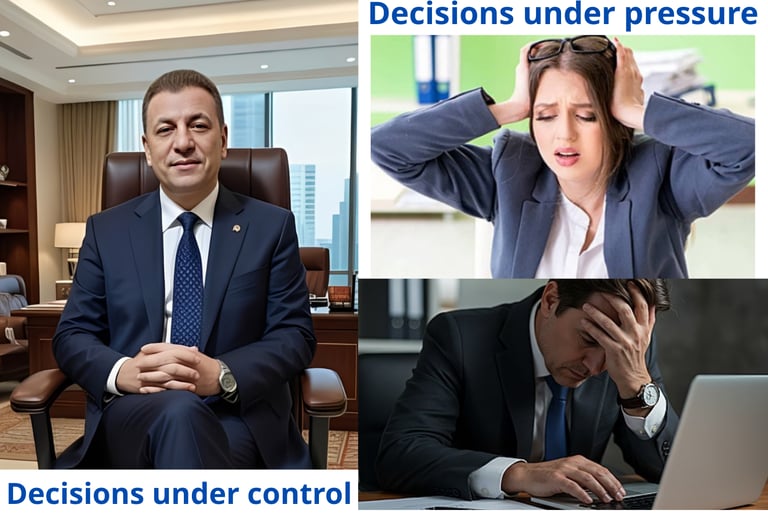
In reality, crises do not test documents. They test leadership, decision-making, and organizational behavior under pressure.
Preparedness is not proven during the emergency itself.
It is revealed long before — in how risks are understood, how people are trained, and how decisions are made when no one is watching.
Why Crises Expose Leadership Gaps
When a real emergency occurs, there is no time to interpret manuals or search for procedures.
What emerges instead is:
The clarity of leadership authority
The confidence of decision-makers
The readiness of teams to act without hesitation
The realism of prior assumptions
Organizations that relied on paper-based preparedness often discover — too late — that their plans were never operational.
Preparedness Is a Culture, Not a Plan
True emergency readiness exists when:
Leadership understands its role under stress
Authority lines are clear and accepted
Teams have practiced decisions, not just drills
Risk scenarios are treated as operational realities, not theoretical exercises
Preparedness becomes a living capability, not a shelf document.
The Illusion of Readiness
One of the most dangerous assumptions organizations make is believing that having a plan equals being prepared.
Plans that have never been tested against real-world behavior, conflicting priorities, or human stress do not survive first contact with crisis conditions.
What matters is not whether a plan exists —
but whether the organization can execute it when uncertainty, fear, and time pressure dominate.
Leadership Is the First Line of Crisis Defense
In every major incident, one factor consistently determines outcomes:
the quality of leadership before the crisis began.
Leaders who invested early in realistic preparedness:
Ask better questions
Recognize weak signals sooner
Make faster, calmer decisions
Prevent escalation instead of reacting to it
Those who did not often discover their vulnerability only after damage has already occurred.
Why This Matters Before Inspections and Audits
This concept becomes critical when organizations prepare for inspections or audits under real authority conditions.
Preparedness that reflects true leadership capability is easily recognized by experienced inspectors — and equally exposed when it is absent.
👉 Explore how leadership-focused preparedness fits within our consulting approach:
Safety and Security
Enhancing security through tailored training solutions.
Consulting
Training
info@px4d.com
+971-505650365 | +201111777815
© 2025. All rights reserved.
CONTACT US
Proprietary Strategic Methodologies
الاعتمادات الدولية - International Validations













Registered & Verified Academic Frameworks
Architecting decision-making resilience and fortifying sovereign and economic entities against non-traditional threats.
Reconstructing the decision-making mindset and certifying professional leaders for mastery under extreme pressure