هندسة القيادة وإدارة الأزمات : حماية المؤسسات وصناعة القرار وقت الخطر
Pre-Inspection vs Pre-Audit
Pre-inspections and audits are not the same. Learn why understanding the difference between inspection readiness and audit preparation is critical for safety, compliance, and leadership decision-making.
مكتبة المقالات الأكاديمية
admin
1/20/20262 min read
Pre-Inspection vs Pre-Audit
Why the Difference Matters for Safety & Compliance Readiness
Introduction
Many organizations use the terms inspection and audit interchangeably.
In practice, this confusion leads to misaligned preparation, wasted effort, and unexpected findings.
Understanding the difference between pre-inspection readiness and pre-audit preparation is not a technical detail—it is a strategic leadership decision that directly impacts safety, compliance, and operational confidence.
Inspections and Audits Serve Different Purposes
Although both inspections and audits assess compliance, they are fundamentally different in intent and execution.
Inspections focus on:
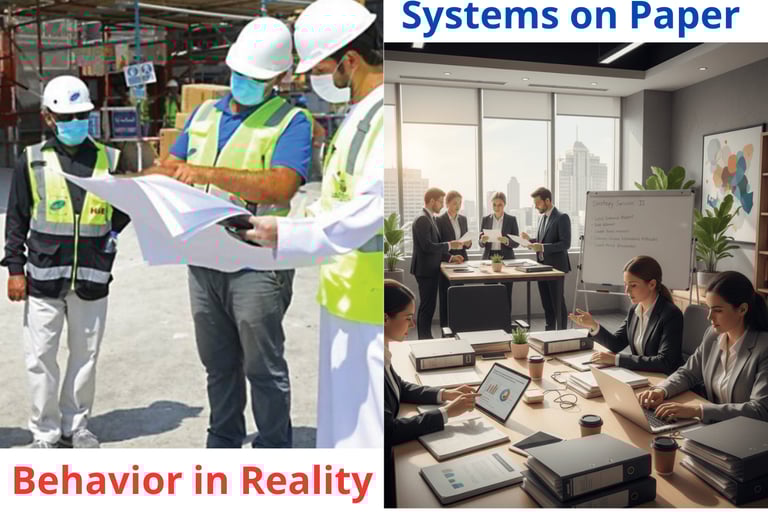
Real-time operational conditions
Behavioral compliance on-site
Immediate risk exposure
Authority expectations and enforcement mindset
Audits, on the other hand, evaluate:
System design and documentation
Process alignment with standards
Internal controls and governance
Evidence of consistency over time
Preparing for one as if it were the other often creates blind spots.
Why Pre-Inspection Readiness Is Behavior-Centered
Pre-inspection readiness is not about polishing files.
It is about ensuring that daily operations reflect compliance naturally.
Authorities conducting inspections assess:
How people behave under observation
Whether safety rules are embedded or rehearsed
How supervisors explain risks
Whether operational discipline exists without prompts
This is why behavioral exposure becomes the decisive factor in inspection outcomes.
Why Pre-Audit Preparation Is System-Centered
Audits are structured, methodical, and evidence-driven.
Pre-audit preparation focuses on:
Completeness of policies and procedures
Consistency across departments
Traceability of records
Alignment with regulatory or certification frameworks
Strong operational behavior without system alignment can still fail an audit—just as perfect documentation cannot compensate for weak behavior during inspections.
The Risk of Confusing the Two
Organizations that do not distinguish between inspections and audits often:
Prepare documentation for inspections instead of operations
Train staff on paperwork instead of decision-making
Address findings reactively rather than structurally
This results in repeated findings, despite ongoing “preparation.”
Strategic Leadership Insight
Executives should ask a simple but powerful question:
Are we preparing our people to operate safely,
or merely to demonstrate compliance?
The answer determines whether readiness efforts reduce real risk—or simply create temporary confidence.
Expert Perspective
According to Major General Ayman Syedelahl, effective safety consultancy begins by clarifying what type of evaluation an organization is facing before any preparation starts.
Pre-inspection readiness and pre-audit preparation require different lenses, priorities, and leadership involvement. Treating them as the same is one of the most common—and costly—mistakes.
This distinction forms a foundational element of professional Safety Consultancy and advisory-level risk assessment.
Final Thought
Inspections validate behavior in reality.
Audits validate systems over time.
Organizations that understand this difference move from reactive compliance to strategic readiness—and reduce surprises before they occur.
This concept becomes critical when organizations prepare for inspections or audits under real authority conditions.
This distinction is central to our Safety Consultancy approach and pre-inspection advisory work.
Safety and Security
Enhancing security through tailored training solutions.
Consulting
Training
info@px4d.com
+971-505650365 | +201111777815
© 2025. All rights reserved.
CONTACT US
Proprietary Strategic Methodologies
الاعتمادات الدولية - International Validations










Registered & Verified Academic Frameworks
Architecting decision-making resilience and fortifying sovereign and economic entities against non-traditional threats.
Reconstructing the decision-making mindset and certifying professional leaders for mastery under extreme pressure